
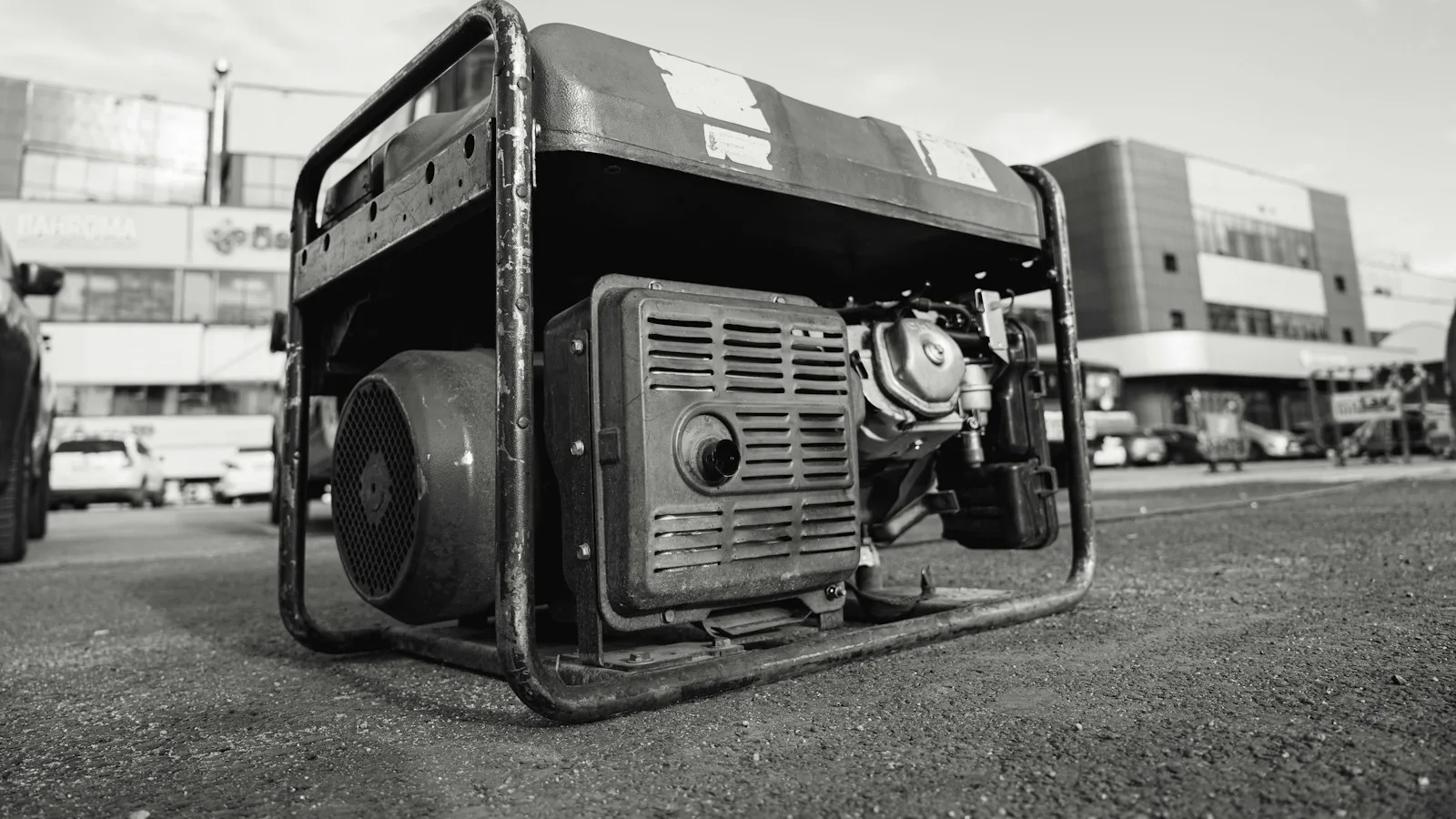
Short answer: a portable power station wins on safety, noise and convenience, and it can be used indoors. A gas generator wins on raw output, runtime and upfront cost per watt-hour. For outages of a few hours to a day that only need essentials, a power station is usually enough. For multi-day outages or heavy loads, a generator (used outdoors, far from the house) or a combination of both makes more sense.
Power station vs gas generator: comparison table
| Factor | Portable power station | Gas portable generator |
|---|---|---|
| Energy source | Stored in a battery; recharge from wall, car or solar | Burns fuel to make electricity as needed |
| Indoor use | Yes, following the manual | Never. Outdoors only, at least 20 ft from the home (CPSC) |
| Runtime | Until the battery empties | As long as you have fuel |
| Output | Limited by the inverter | Higher; PowerOutage.us cites 1,000–20,000 W continuous across models |
| Upfront cost per Wh | Higher; This Old House found ~3,600 Wh of power station can cost about seven times a readily available gas generator | Lower |
| Running cost and upkeep | Electricity to recharge; little maintenance | Fuel, oil, storage and maintenance |
| Noise and fumes | Near-silent; no exhaust | Engine noise; carbon monoxide exhaust |
The safety gap is real
The U.S. Consumer Product Safety Commission reports an average of nearly 100 deaths per year in the U.S. from carbon monoxide poisoning linked to portable generators. CPSC’s guidance: never run one inside a home, garage, basement, crawlspace, shed or porch, even with doors and windows open, and keep it at least 20 feet from the house with the exhaust pointed away. More in Why You Should Never Run a Gas Generator Indoors.
Match the tool to your outage
EIA data show that, outside major events, U.S. customers average about two hours of interruptions per year, while major events such as hurricanes drove the 2024 average to about 11 hours. That suggests a simple split:
- Short, frequent outages: a power station (or a UPS for electronics) covers them with no setup.
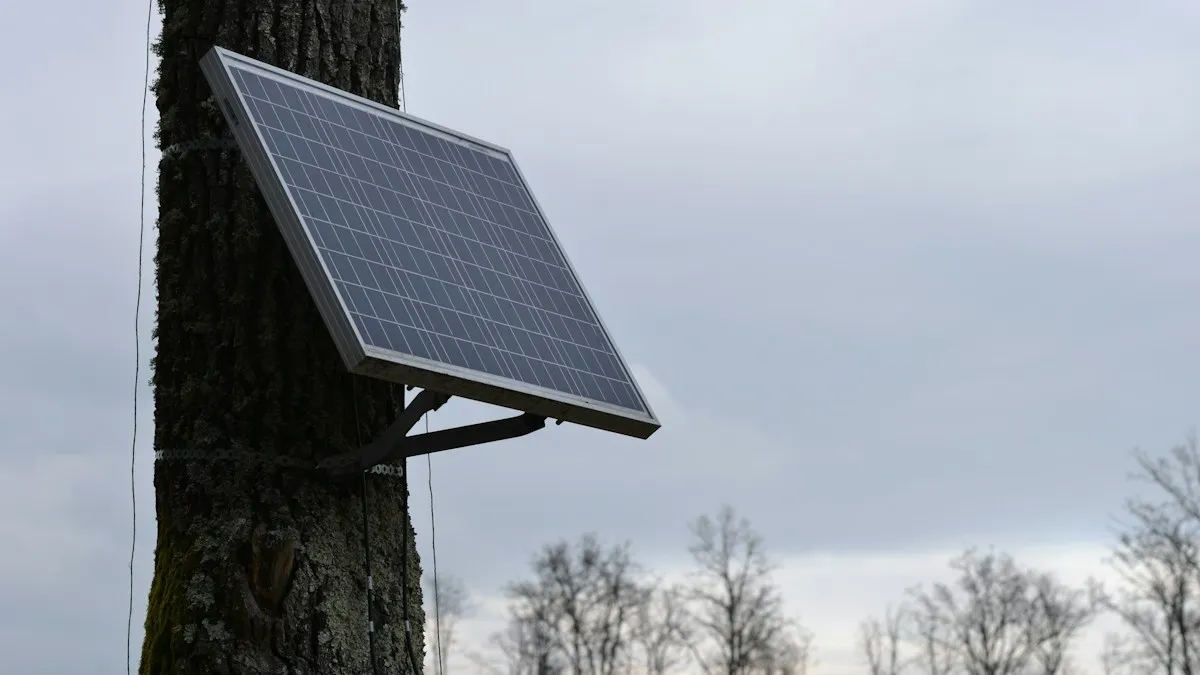
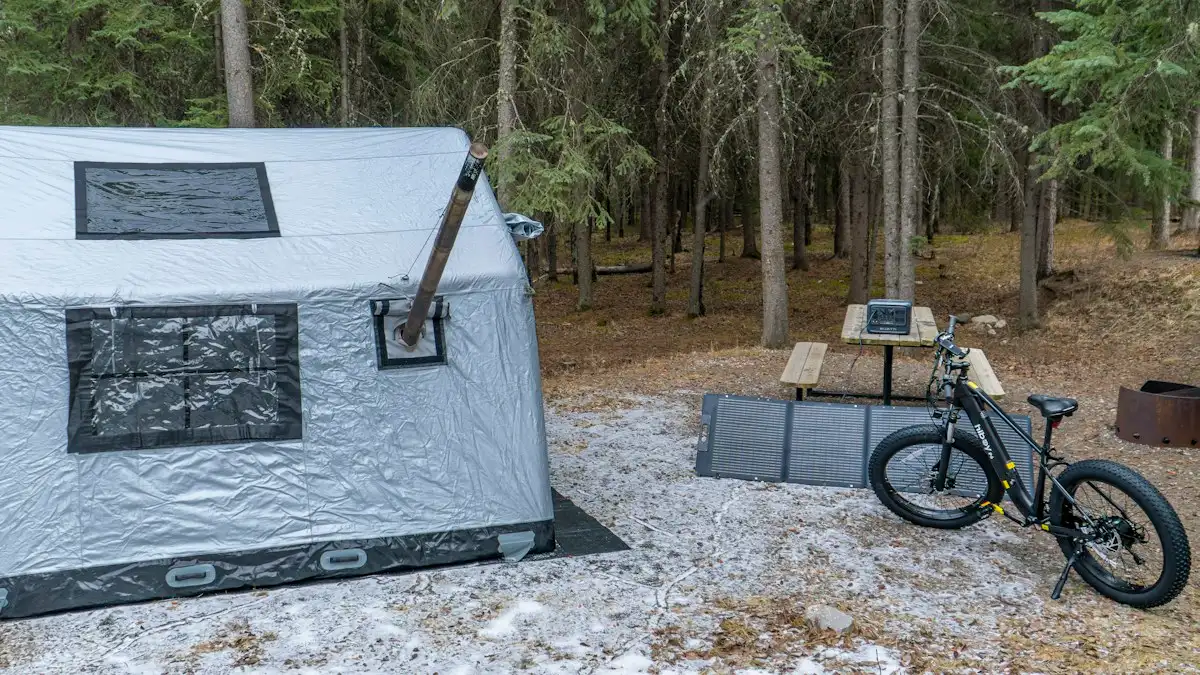
- Long, storm-driven outages: either a larger battery with solar recharging, or a generator used strictly outdoors, or both: the generator can recharge the power station during the day so the battery runs quietly at night.
Connecting either one to your house
Powering home circuits directly from a generator or power station requires a properly installed transfer switch or interlock. Never “backfeed” through a wall outlet. Hire a licensed electrician; local codes apply.
Decide with numbers
- List your essentials and their average watts (sizing guide).
- Pick your realistic outage length.
- Compute the watt-hours. If the battery size you need is impractical, look at solar recharging or a generator.
Thinking of running a space heater from a battery instead? See Can a Power Station Run a Space Heater? for the runtime math.
Worked example: a 48-hour storm outage
Take the same essentials list used in our sizing guide: a fridge, modem and router, and three LED bulbs, about 86 W on average.
| Question | Math | Answer |
|---|---|---|
| Energy for 48 hours | 86 W × 48 h | about 4,128 Wh |
| Battery needed with inverter losses | 4,128 ÷ 0.85 | about 4,856 Wh |
| How long one 2,000 Wh station lasts | 2,000 × 0.85 ÷ 86 | about 19.8 h |
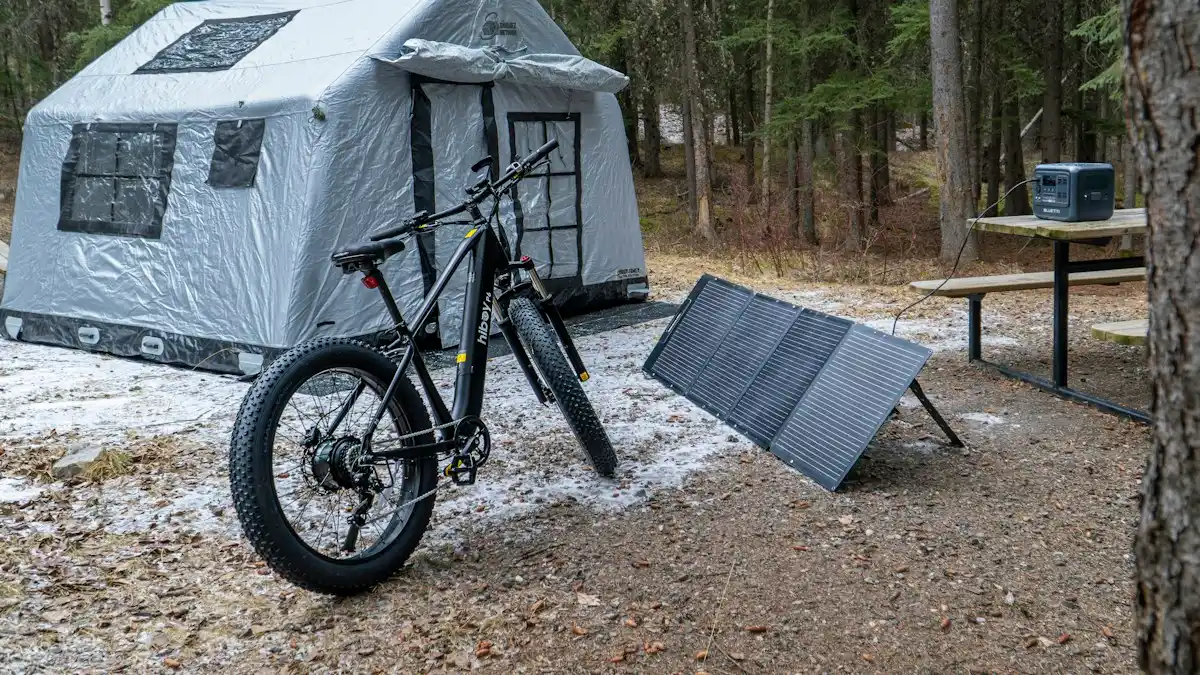
So a 2,000 Wh power station needs about two full recharges to get through 48 hours. With a gas generator, the question flips to fuel: check the runtime per tank at a light load on the generator’s spec sheet, and how much fuel you can store safely.
Gas generator safety checklist (Ready.gov)
- Use the generator and its fuel outdoors only, at least 20 feet from windows, doors and attached garages.
- Install working carbon monoxide detectors on every level of the home.
- Keep the generator dry; touching a wet generator or connected devices can cause shock.
- Connect appliances with heavy-duty extension cords.
- Let it cool before refueling, because fuel spilled on hot parts can ignite.
Common mistakes
- Running a gas generator in a garage “with the door open”. CPSC says never, even with doors and windows open.
- Buying a power station for a multi-day outage without a recharge plan.
- Comparing only watts. The power station’s Wh and the generator’s fuel runtime decide how long you last.
- Plugging a generator into a wall outlet to feed the house. That is dangerous backfeeding; any connection to home wiring is a job for a licensed electrician.
When this doesn’t apply
- Apartments and condos may have no safe place 20 feet from doors and windows, which rules out a gas generator in practice.
- Medical devices: ask the device maker and your doctor what backup power they support.
FAQ
Can a power station replace a gas generator?
For short outages and essentials, often yes. For multi-day outages or heavy loads, only with a large battery and a way to recharge it.
Is a power station safe to use indoors?
It burns no fuel, so it produces no carbon monoxide, which is why it can run inside. Follow its manual for ventilation and charging.
Which is better for a refrigerator?
For a day or less, a power station of about 1,100–1,750 Wh covers an efficient fridge. Beyond that, compare recharging a battery with running a generator safely outdoors.
Deciding between a battery for your desk and one for the whole outage? See UPS vs power station.
Sources: Ready.gov, Power Outages; CPSC (2024); CPSC generator safety sheet; EIA; This Old House; PowerOutage.us. Written by Lucas, Electrical Engineer. No products were tested for this article.