
Short answer: a gasoline generator’s exhaust contains carbon monoxide (CO), a poison you can’t see or smell. The U.S. Consumer Product Safety Commission (CPSC) estimates nearly 100 people die each year in the U.S. from CO poisoning linked to portable generators. Never run a generator indoors: use one outside only, at least 20 feet from the home, with the exhaust pointed away.
What the data show
- CPSC reports an average of nearly 100 consumer deaths per year from portable-generator CO poisoning.
- From 2011 through 2021, where race was known, non-Hispanic Black Americans accounted for 23% of generator-related CO deaths, far above their share of the population (CPSC).
- CPSC warns that a single portable generator can produce as much CO as hundreds of cars.

CPSC’s 5 rules: why never to run a generator indoors
- Outside only. Never inside a home, garage, basement, crawlspace, shed or on a porch, even with doors and windows open. CO can build up quickly and linger for hours after the generator shuts off.
- 20 feet away. Keep it at least 20 feet from doors, windows and vents, with the exhaust directed away from buildings.
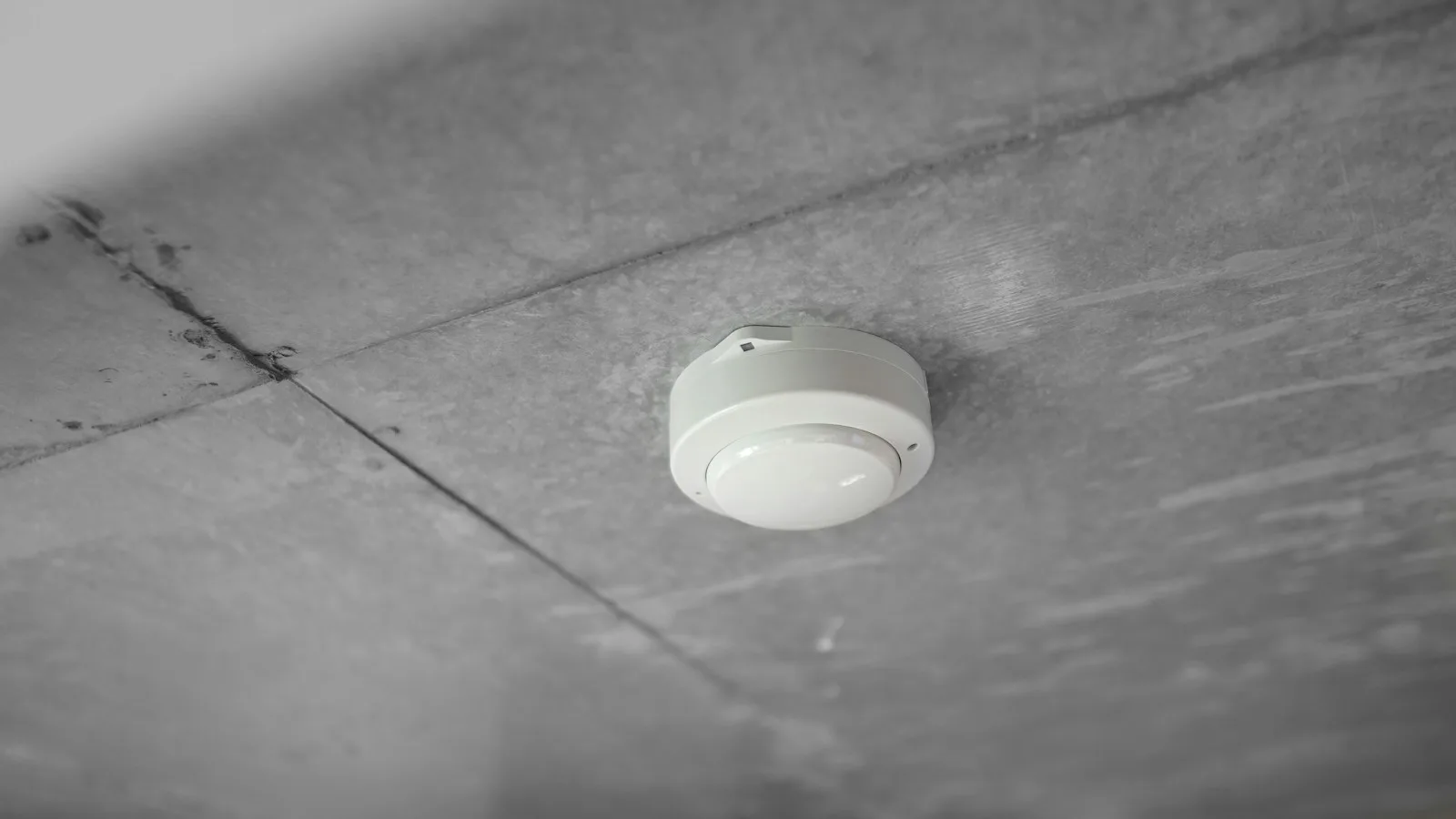
- CO alarms. Install battery-operated CO alarms, or alarms with battery backup, outside sleeping areas and on every floor. Test them monthly.
- Prefer CO shut-off. Look for generators with a feature that shuts the engine off automatically when CO levels are high.
- Feel sick? Get out. If you feel dizzy, weak or sick while a generator is running, get to fresh air right away.
Don’t backfeed your house
Plugging a generator into a wall outlet with a “male-to-male” cord sends power backward into the home’s wiring. It bypasses safety protections and can endanger utility workers on the lines. Connecting a generator to home circuits requires a properly installed transfer switch or interlock by a licensed electrician.

The indoor-safe alternative
Battery power stations produce no exhaust, which is why they can be used indoors. They store less energy than a tank of fuel provides, so size them carefully: see Power Station vs Gas Generator and the sizing guide.
For safe ways to keep warm without fuel-burning heat indoors, see How to Stay Warm During a Power Outage.
Know the signs of carbon monoxide poisoning
The CDC lists the most common symptoms as headache, dizziness, weakness, upset stomach, vomiting, chest pain and confusion, often described as “flu-like”. Breathing a lot of CO can make you pass out or kill you, and people who are asleep can die before they notice any symptoms. That is why CO alarms matter so much at night.
The CDC also says everyone is at risk, but infants, older adults and people with chronic heart disease, anemia or breathing problems are more likely to get sick. If anyone feels sick while a generator is running, get everyone to fresh air right away and get medical help.

Common mistakes
- Running the generator in an attached garage with the big door open. CPSC and the CDC both say a generator indoors is dangerous even with doors and windows open.
- Setting it right under a window or next to a vent to keep the extension cord short.
- Relying on smell. CO has no smell, so only an alarm will warn you.
- Turning the generator off and going straight back into the garage. CPSC notes CO can linger for hours after the engine stops.
- Backfeeding the house through a wall outlet instead of having a licensed electrician install a proper connection.
When this doesn’t apply
- Battery power stations burn no fuel and make no CO, so they can be used inside; see power station vs gas generator.
- Permanently installed standby generators are designed and placed by professionals and follow their own installation rules.
FAQ
Can I run a generator indoors with the windows open?
No. CPSC and the CDC both say never to use a generator indoors or in a garage, even with doors and windows open.
How far from the house should a generator be?
At least 20 feet from doors, windows and vents, with the exhaust pointed away from the house (CPSC, CDC, Ready.gov).
How do I stay warm without running a generator indoors?
Close off one room, use layers and blankets, and go to a warming location if it gets dangerously cold. See how to stay warm during a power outage.
Sources: CDC, Carbon Monoxide Poisoning Basics; Ready.gov, Power Outages; CPSC (2024); CPSC, What to Know About Generators and CO; CPSC Portable Generator Safety Alert; CPSC (2022); Consumer Reports on CPSC’s backfeed-cord warning. Written by Lucas, Electrical Engineer.