
Short answer: running watts are what a device draws once it’s going. Starting watts (surge watts) are the short spike when an electric motor or compressor starts. A power station must handle both: its continuous rating must exceed the running watts, and its surge rating must exceed the starting watts.
Why motors spike at startup
The U.S. Department of Energy’s motor tip sheet on nuisance tripping explains that when a motor is switched on, its current stays near the locked-rotor value while it accelerates, and only drops once the motor approaches operating speed. That brief, high current is what a power station sees as starting watts. Source: DOE Motor Systems Tip Sheet #6.
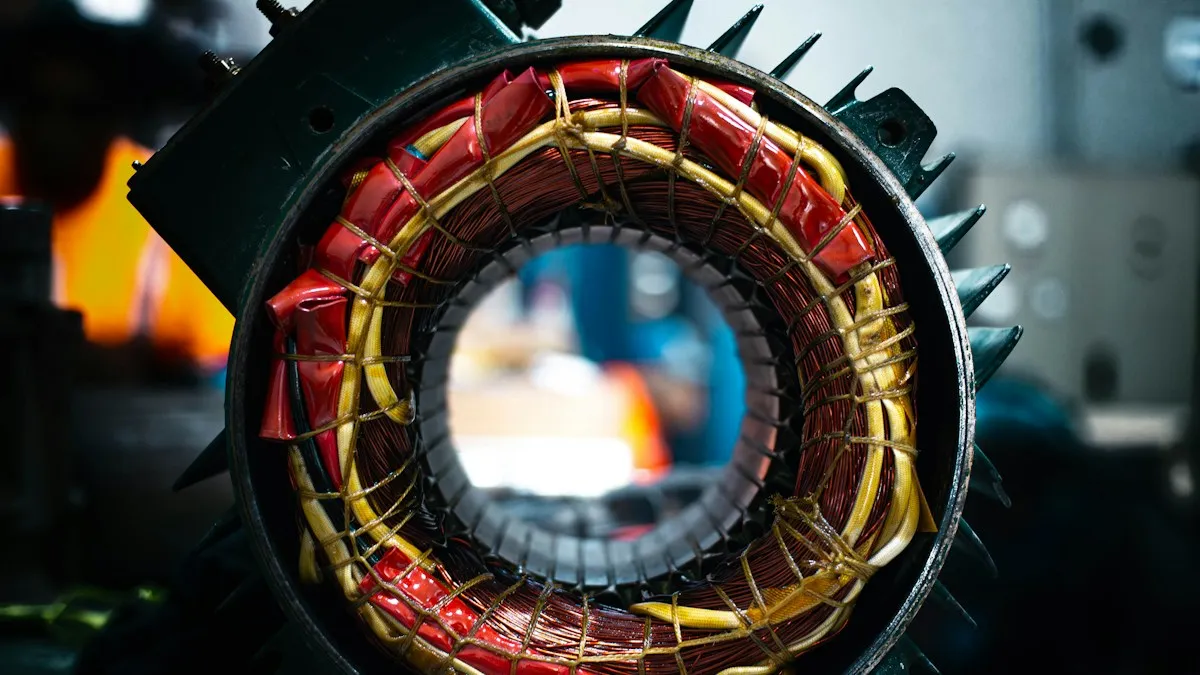
A stopped motor has no back-EMF, the voltage a spinning motor generates against its supply. Without it, the only thing limiting current is the winding’s low resistance, so the motor draws a burst of current until it gets up to speed. This lasts a fraction of a second to a couple of seconds, but it can be several times the running current.
Devices without motors, such as LED lights, phone chargers, routers and laptops, have little or no meaningful startup surge. Devices with motors or compressors do:
- Refrigerators and freezers
- Sump and well pumps
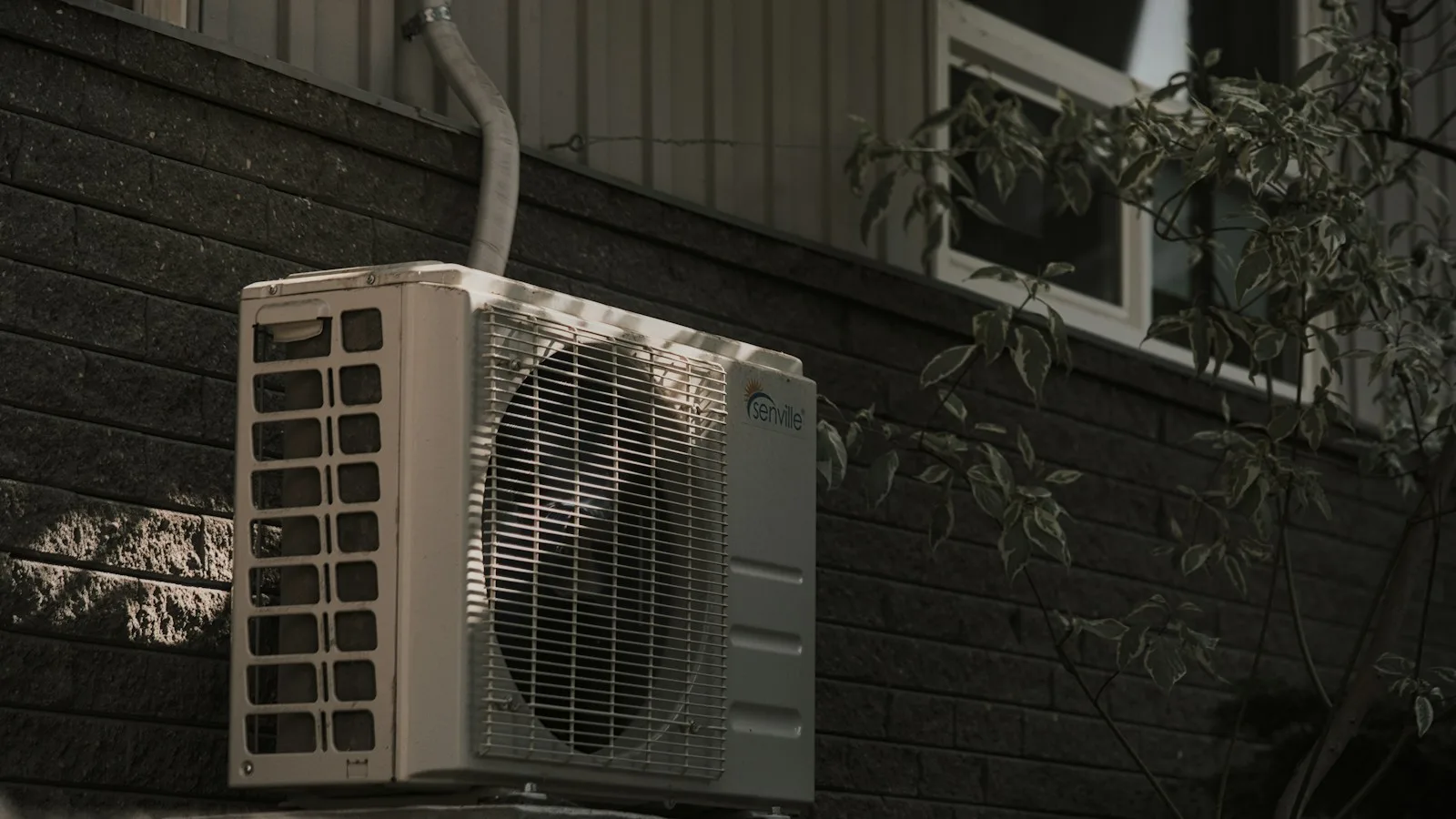
- Window and portable air conditioners
- Power tools and blenders
What happens if the surge rating is too low
The power station’s protection circuit sees the spike as an overload and either shuts off the output or keeps the motor from starting. With a compressor, repeated failed starts are hard on the appliance too. The fix is not a bigger battery but a higher surge (peak) rating.
How to find a device’s starting watts
- Check the manual or spec sheet. Some list “starting” or “locked rotor” figures.
- Read the nameplate amps. Watts ≈ volts × amps. This gives the running draw, not the surge, but it is a starting point.
- Measure it. Some plug-in power meters record a peak value. Plug the appliance in through the meter and let it start.
- Ask the manufacturer. Support teams often have the number even when it isn’t published.

How to read a power station’s ratings
| Spec name you’ll see | What it means |
|---|---|
| Rated / continuous output | Power it can deliver indefinitely (until the battery runs out) |
| Surge / peak output | Short burst it can deliver for motor startup |
| “Lifting” or “power boost” modes | The unit lowers voltage to run high-wattage resistive loads such as kettles. This does not help motors start and can affect sensitive electronics |
Rule of thumb for planning
Run a quick check before buying: list every motor device you’ll power, find or measure its starting watts, and confirm the largest one plus everything else already running stays under the surge rating. Then size capacity separately using the sizing guide.
Worked example: checking starting watts against a power station
Use the numbers from your own labels and manuals. The figures below are example numbers to show the method, not a specific model. Say your list is a refrigerator whose manual gives 150 running watts and 1,000 starting watts, plus a 13 W router and 27 W of LED bulbs.
| Check | Math | Result |
|---|---|---|
| Running total | 150 + 13 + 27 | 190 W |
| Worst moment: fridge starts while the rest keep running | 1,000 + 13 + 27 | 1,040 W |
The power station’s continuous rating must beat 190 W and its surge rating must beat 1,040 W. A unit rated 300 W continuous and 600 W surge passes the first check and fails the second: it can run everything, but it may shut off the moment the compressor tries to start.
Common mistakes with starting watts
- Comparing only running watts to the continuous rating and never checking surge.
- Adding every motor’s starting watts together when the motors don’t usually start at the same instant. Plan for the biggest single spike plus everything else running.
- Trusting a nameplate amps figure as the surge. Volts × amps gives the running draw, not the starting spike.
- Forgetting that a fridge restarts its compressor many times a day, so the surge check applies all night, not just once.
When this doesn’t apply
- Resistive loads such as space heaters and kettles have no motor, so their starting watts are close to their running watts. They are limited by continuous output instead; see power station space heater runtime.
- Electronics like routers and laptops draw small, steady loads. For them, capacity matters far more than surge.
FAQ
Does the surge happen every time a fridge cycles on?
Yes. Each time the compressor starts, it draws a startup spike. That’s why the surge rating matters for the whole outage, not just the first minute.
Do inverter-type (variable-speed) compressors surge less?
Many soft-start their motors, which usually reduces the spike. Check the specific model’s documentation rather than assuming.
Written by Lucas, Electrical Engineer. General engineering explanation; always follow the appliance and power station manuals.